Biorevitalization, bioreparation, bioremodeling: what is the difference
Biorevitalization, bioreparation and bioremodeling: injection techniques that work with skin quality. Let's look at how they differ in the composition of the drugs and tasks, how the course is carried out and what is confirmed by research.
What do biorevitalization, bioreparation and bioremodeling have in common?
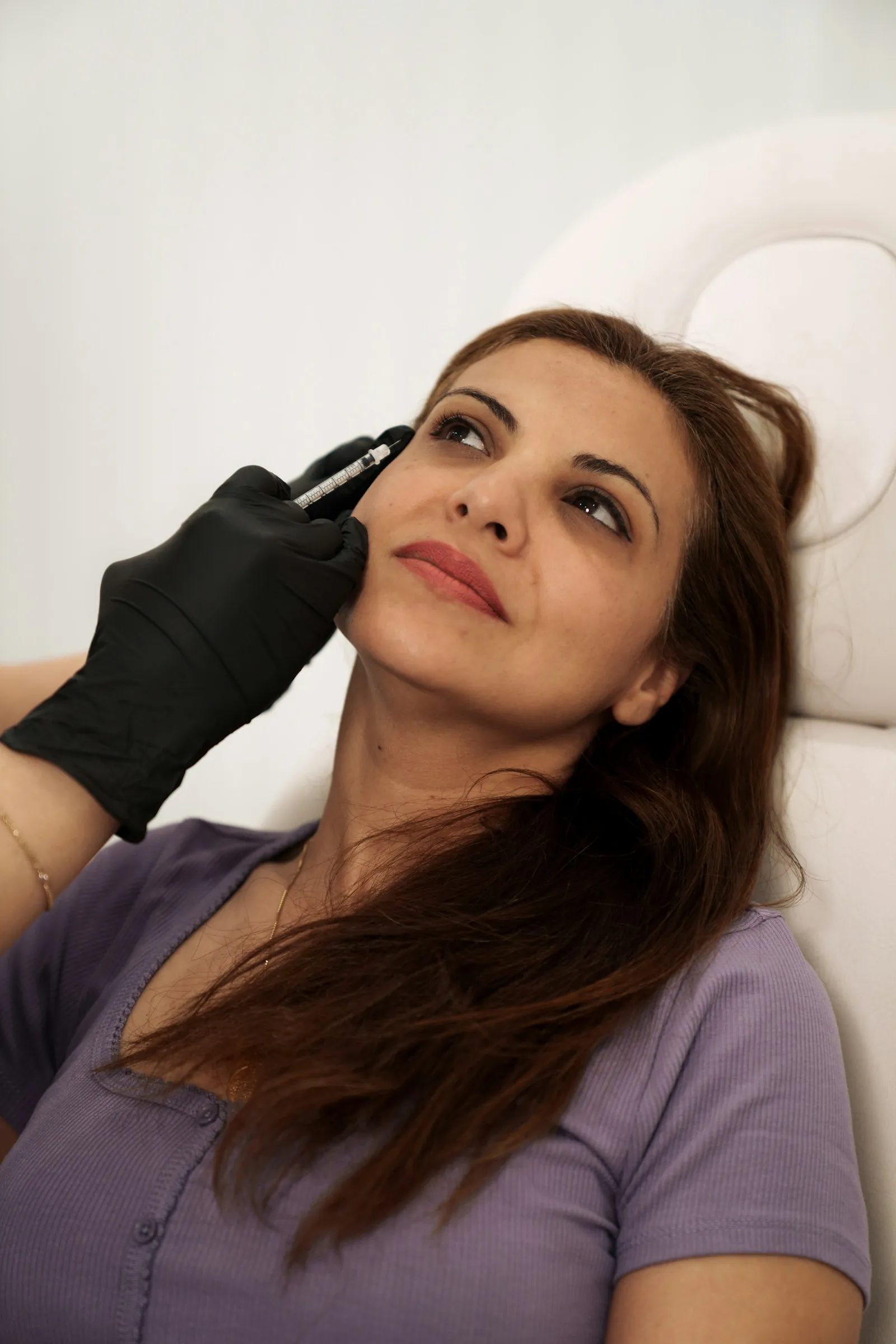
These procedures are performed using the same injection technique. These are small injections into the dermis (the middle layer of the skin), where the key targets are located: fibroblasts (cells that produce collagen and elastin), collagen and elastin fibers. External agents do not penetrate deep into the dermis, unlike injection techniques. The main active ingredient of the drugs: hyaluronic acid, necessary for moisturizing and elasticity of the skin.
The difference between the procedures is what exactly is added to the hyaluronic acid in the preparation. These can be amino acids, antioxidants, vitamins, polynucleotides, peptides, etc. The necessary drug is selected in accordance with the tasks, skin problems, and health characteristics. These techniques work with skin quality without creating additional volume or filling wrinkles.
Biorevitalization: unstabilized hyaluronic acid
In biorevitalization, unstabilized hyaluronic acid is used: its molecules are not chemically cross-linked, so the drug is quickly distributed in the tissues and gradually dissolves.
This technique is carried out in a course of 3-4 procedures with an interval of 2-3 weeks. The specific course is selected individually by the doctor during a consultation during an in-person examination of the patient’s skin condition.
Indications: skin dehydration (reduced moisture), dull complexion, fine superficial wrinkles, preparing the skin for other procedures. The procedure is also carried out on young skin.
How does bioreparation differ from biorevitalization
In bioreparation, amino acids, vitamins, and peptides (short chains of amino acids that serve as a signal for cells) are added to hyaluronic acid. Objective: not only to moisturize the skin, but also to stimulate fibroblasts to synthesize collagen.
Indications: first age-related changes, loss of elasticity, uneven tone, skin restoration after aggressive procedures and excessive insolation (sun exposure). The result is assessed based on the course: collagen synthesis takes several weeks.
What is bioremodeling
Bioremodeling: injections of hybrid complexes of high molecular weight (long chains) and low molecular weight (short chains) hyaluronic acid. The chains are connected not by a chemical cross-linking agent, but by thermal stabilization (heating).
High molecular weight hyaluronic acid retains water, low molecular weight, according to laboratory studies, stimulates fibroblasts to produce collagen and elastin. The purpose of the method: density and elasticity of the skin of the face, neck, hands. The drug is administered not over the entire surface, but at points according to the scheme. Standard course: 2 procedures with an interval of 4 weeks.
There are still fewer clinical studies of bioremodeling than classical biorevitalization, and most of them are observational.
Biorevitalization, bioreparation, bioremodeling: the difference in brief
- Biorevitalization. Composition: unstabilized hyaluronic acid. Objective: hydration, complexion, fine superficial wrinkles. Course: 3–4 procedures with an interval of 2–3 weeks, selected by the doctor individually
- Bioreparation. Ingredients: hyaluronic acid with amino acids, vitamins, peptides. Task: elasticity, tone, restoration, first age-related changes. Course: determined by the doctor, the result is assessed after the course
- Bioremodeling. Composition: hybrid complexes of high and low molecular weight hyaluronic acid with thermal stabilization. Objective: density and elasticity of the skin of the face, neck, hands. Course: usually 2 procedures with an interval of 4 weeks
What Research Proves
Hydration has been the most studied: a meta-analysis of randomized trials found that hyaluronic acid injections increased skin hydration and improved skin radiance compared to controls. The effect on elasticity and pigmentation was not statistically confirmed in these studies.
There are limited data on long-term outcomes. The duration of the effect, which is given in the descriptions of procedures, is based on clinical practice and information from manufacturers.
Tolerability: Bruising, swelling, and tenderness at injection sites usually resolves within two weeks. No serious complications were described in the reviews.
What is bioregeneration and collagen stimulation
Bioregeneration is usually called injections of hyaluronic acid with peptides, amino acids and vitamins, that is, in composition it is the same group as bioreparation. This is sometimes called injection of polynucleotides (DNA fragments obtained from the milt of salmon fish). There are still few studies of polynucleotides, the quality of evidence is low to moderate.
Collagen stimulation: a procedure with a different class of drugs. This is not hyaluronic acid, but a collagen stimulator, most often poly-L-lactic acid or calcium hydroxyapatite. The drug does not moisturize or fill, but causes a controlled reaction in the skin to the injected substance, in response to which fibroblasts synthesize new collagen. The result increases over several months, and the procedure is repeated after 6–12 months. In addition to bruises, lumps and nodules at the injection site are possible.
Hyaluronic acid preparations work with skin hydration and quality, collagen stimulators with density and frame.
When it's time to see a doctor
The choice depends not on the name of the procedure, but on the condition of the skin:
- Dryness, dullness, feeling of tightness: usually start with biorevitalization
- First age-related changes, uneven tone, recovery after sun exposure or peelings: discussing bioreparation
- Decrease in density and turgor (elasticity) of the skin of the face, neck, hands after 40 years: a reason to discuss bioremodeling or collagen stimulation
During the consultation, the doctor assesses the type and thickness of the skin, the tendency to swelling and allergic reactions, specifies the medications taken, the presence of pregnancy, herpes and inflammatory elements on the face. The choice of drug, the number of procedures and the interval between them depend on this.
A special reason for the visit: the condition of the skin changed quickly, within a few months. Dryness and decreased elasticity can be a sign of deficiency conditions or hormonal disorders, and in this case, injection procedures are not the first step.
Clinic servicesSkin boosters · Bioreparation · Bioremodeling
The material is for informational purposes only and does not replace medical advice. There are contraindications, consultation with a specialist is required.
Sources
- Ghatge A.S., Ghatge S.B. The Effectiveness of Injectable Hyaluronic Acid in the Improvement of the Facial Skin Quality: A Systematic Review. Clinical, Cosmetic and Investigational Dermatology, 2023. pmc.ncbi.nlm.nih.gov
- Zhou R., Yu M. The Effect of Local Hyaluronic Acid Injection on Skin Aging: A Systematic Review and Meta-Analysis. Journal of Cosmetic Dermatology, 2025. pmc.ncbi.nlm.nih.gov
- Rho N.-K. et al. Injectable «Skin Boosters» in Aging Skin Rejuvenation: A Current Overview. Archives of Plastic Surgery, 2024. pmc.ncbi.nlm.nih.gov
- Lampridou S. et al. The Effectiveness of Polynucleotides in Esthetic Medicine: A Systematic Review. Journal of Cosmetic Dermatology, 2024. pmc.ncbi.nlm.nih.gov
- Tintor G. et al. Hybrid Cooperative Complexes of Low- and High-Molecular-Weight Hyaluronic Acid in Aesthetic Medicine. Pharmaceuticals (Basel), 2025. pmc.ncbi.nlm.nih.gov
- Signori R. et al. Efficacy and Safety of Poly-L-Lactic Acid in Facial Aesthetics: A Systematic Review. Polymers, 2024. pmc.ncbi.nlm.nih.gov